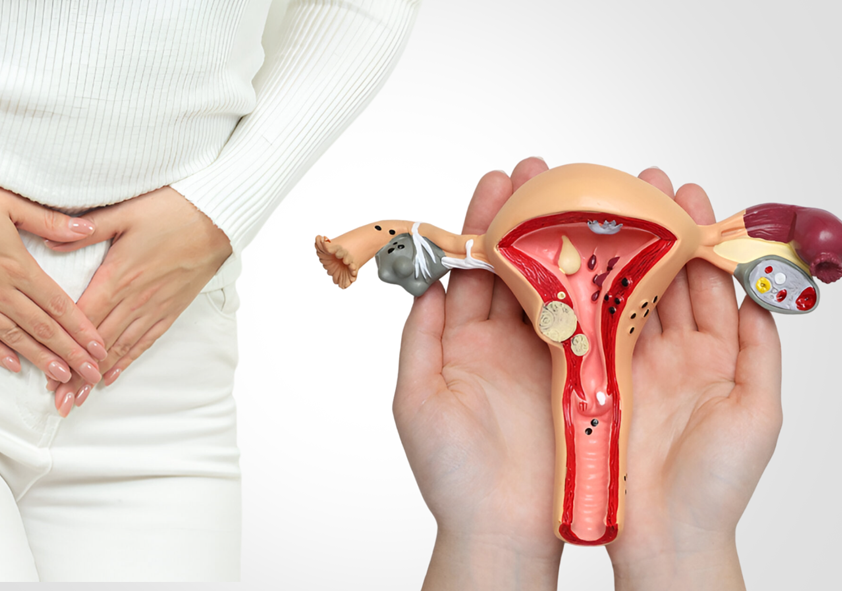
PCOD
PCOD (Polycystic Ovarian Disease) is a common hormonal disorder that affects women of reproductive age. In this condition, the ovaries produce higher-than-normal levels of male hormones (androgens), which can disrupt normal ovulation and lead to the formation of multiple small cysts in the ovaries. PCOD is a long-term condition but can be effectively managed with proper lifestyle changes and medical care.
Symptoms of PCOD:
The symptoms vary from person to person, but common signs include irregular or missed menstrual periods, heavy or prolonged bleeding, and difficulty in conceiving (infertility). Many women also experience weight gain, especially around the abdomen, acne, oily skin, and excessive hair growth on the face, chest, or back (hirsutism). Some may face hair thinning or hair loss from the scalp. Other symptoms include mood swings, depression, fatigue, and low energy levels.
Causes of PCOD:
The exact cause of PCOD is not fully understood, but several factors contribute to it. Hormonal imbalance is the primary reason, particularly increased androgen levels. Insulin resistance is another major factor, where the body does not use insulin effectively, leading to increased insulin levels that may trigger excess androgen production. Genetic factors also play a role, as PCOD often runs in families. Lifestyle factors such as poor diet, lack of physical activity, obesity, and high stress levels can further worsen the condition.
Treatment and Management of PCOD:
There is no permanent cure for PCOD, but it can be managed effectively. Lifestyle modification is the most important step, including a balanced diet rich in fiber, fruits, vegetables, and whole grains while reducing sugar and processed foods. Regular exercise helps in weight management and improves insulin sensitivity. Stress management techniques like yoga and meditation are also beneficial. Medical treatments may include hormonal birth control pills to regulate periods, anti-androgen medications to reduce symptoms like acne and excessive hair growth, and insulin-sensitizing drugs like metformin. In cases of infertility, fertility treatments may be recommended.